Property Boundaries That Support Working Land
Pasture Fencing in Gainesboro for farms and agricultural properties needing defined acreage
Old fence lines sag, wire rusts through, and posts rot at the ground line, leaving livestock contained only by habit rather than reliable barriers. Handy Land Worx installs pasture fencing across Gainesboro and Middle Tennessee for working properties where functional boundaries determine how land can be used. Property owners notice immediately when new fencing allows rotation of grazing areas, protects replanted sections, or separates different livestock types without constant monitoring.
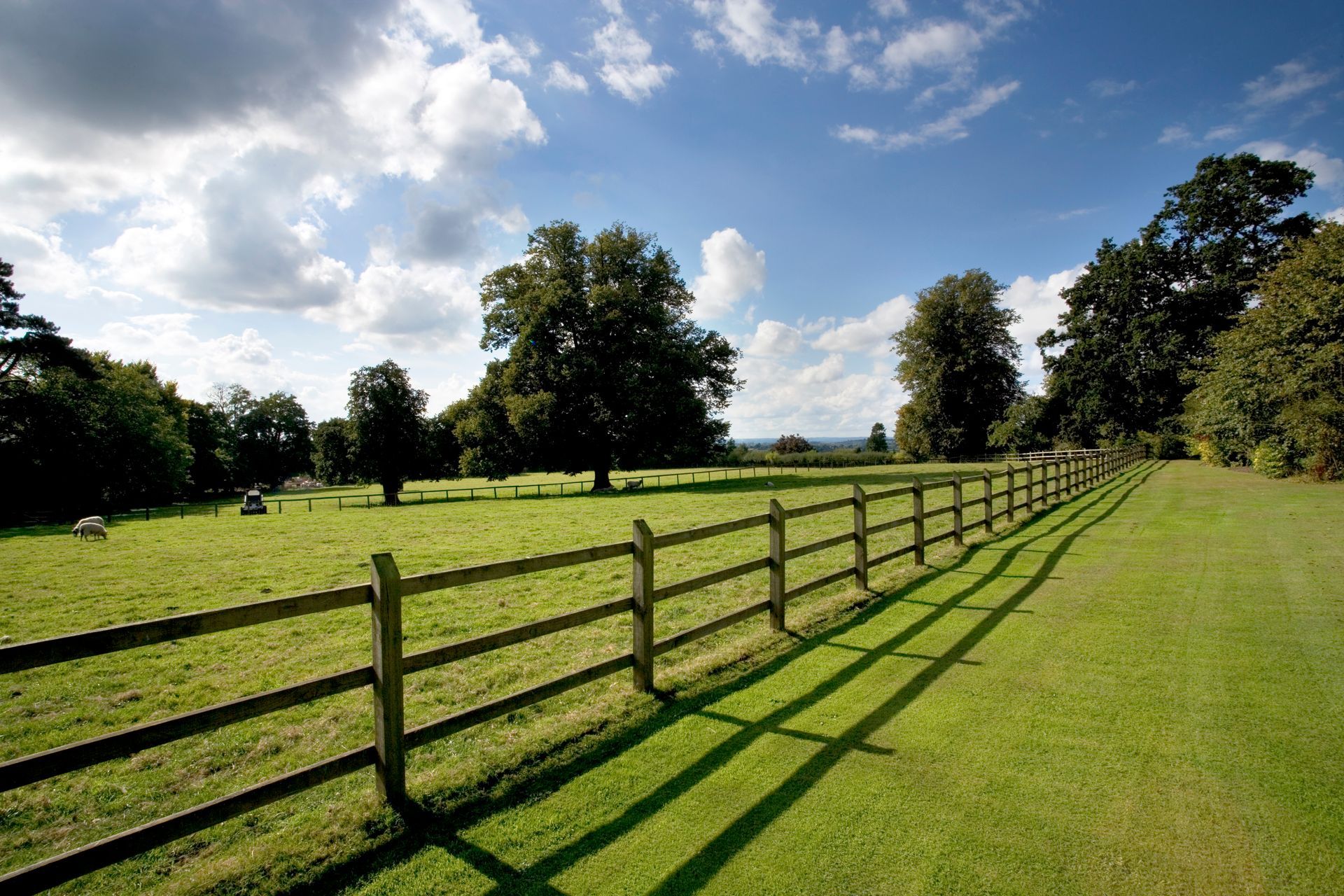
Pasture fencing establishes clear property divisions while supporting agricultural operations that depend on controlled access to specific acreage. The work involves setting posts at intervals that account for terrain changes, securing wire or rail materials that withstand pressure from animals, and positioning gates where daily movement patterns require vehicle or livestock passage. Fence placement decisions affect drainage flow, equipment access, and how efficiently you can manage rotational grazing or seasonal field use.
Request a free estimate to review your property layout and fencing requirements.
What Proper Fence Installation Requires
Posts must be set deep enough to resist frost heave and animal pressure, with corner bracing engineered to handle the tension load from multiple wire strands pulling in different directions. The spacing between posts varies depending on whether you're containing cattle, horses, or smaller livestock, and wire tension must be adjusted to prevent sagging without creating stress points that snap during temperature swings. Rolling terrain common in Middle Tennessee requires careful attention to how fence lines cross slopes, gullies, and drainage pathways without creating low spots where water pools or wire contact with the ground causes premature rust failure.
After installation, you'll see fence lines that hold their shape across uneven ground, gates that swing freely without dragging or binding, and wire strands that maintain consistent height and tension. Handy Land Worx positions fencing to follow natural contours where practical, reducing the likelihood of erosion along fence rows and making future maintenance more straightforward. New fencing visibly transforms how acreage can be divided for different uses, whether that means isolating hay fields from grazing areas or creating paddocks sized for specific herd management goals.
The work includes corner bracing, gate installation at planned access points, and alignment that accounts for existing features like tree lines, water sources, or equipment paths. Fence materials and strand counts are selected based on what you're containing and how the land will be used. This family-operated company approaches each property with attention to how fencing supports long-term agricultural needs rather than treating installation as identical across every site.
Questions Property Owners Ask About Fencing
Farms and acreage owners often have specific concerns about fence planning and what the installation process involves before starting the project.
How is fence line placement determined for properties with varied terrain?
The route follows property boundaries, planned use areas, and natural contours, with adjustments made where drainage patterns, rock outcrops, or existing trees affect post placement and long-term fence stability.
What factors affect how long pasture fencing lasts before needing repairs?
Post material and depth, wire quality and tension, terrain drainage, and whether animals habitually push against or rub on fence sections all influence how many years the installation performs without significant maintenance.
When should fencing be installed to avoid ground conditions that complicate the work?
Late spring through fall typically provides better conditions across Middle Tennessee, as frozen ground or saturated soil can interfere with post setting and equipment operation on rural properties.
What distinguishes functional agricultural fencing from installations that fail prematurely?
Proper corner bracing, consistent post depth, appropriate wire tension for the livestock type, and alignment that prevents water from pooling along fence rows separate fencing that holds up from installations that require frequent repairs.
How does gate placement affect daily farm operations and long-term property use?
Gates positioned where you actually move equipment, feed supplies, or livestock reduce unnecessary detours and prevent repeated fence damage from improvised access points that develop when gates aren't located where daily workflow requires them.
Handy Land Worx brings construction experience and insured service to every pasture fencing project, approaching each property with attention to how fence layout supports your specific land use. Schedule a free estimate to discuss your acreage and fencing needs.