Dense Overgrowth Reduced to Workable Ground
Forestry Mulching in Whitleyville for wooded acreage and access restoration
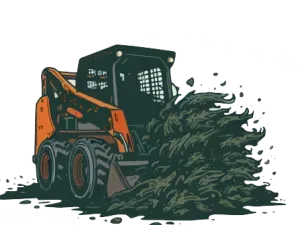
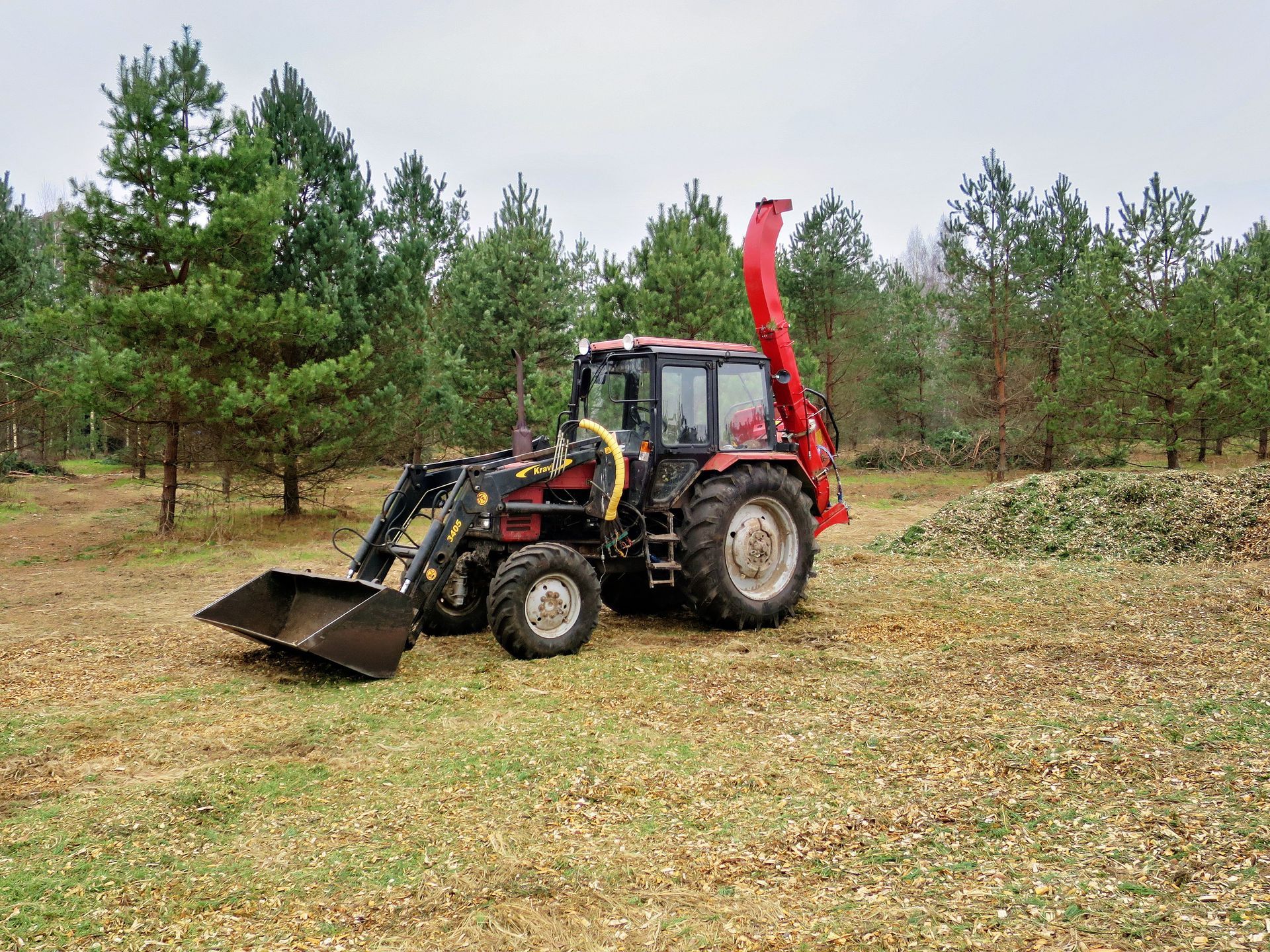
Forestry mulching reduces saplings, thick brush, and undergrowth without the need for burning, hauling, or debris piles. The process grinds vegetation in place, leaving a layer of organic material that settles into the soil and improves ground stability. Handy Land Worx operates forestry mulching equipment across Middle Tennessee properties where dense vegetation blocks trails, boundaries, or functional use of wooded acreage.
The service targets areas where traditional clearing would create excessive debris or where landowners want to thin undergrowth while preserving larger timber. Mulching cuts through saplings, briars, and tangled growth, processing material on-site. The result is cleared ground with no piles to manage and improved access across previously difficult terrain.
Request a free estimate to assess vegetation density and determine mulching suitability for your wooded property.
How Mulching Transforms Neglected Acreage
The mulching head grinds vegetation into fine chips distributed evenly across the cleared area. This process eliminates the need for post-clearing cleanup and allows organic material to decompose naturally. The owner's construction and equipment experience ensures efficient operation on varied terrain.
After mulching, you'll walk ground that was previously impassable. Trails reappear, property boundaries become visible, and previously choked woodland opens for use. The mulch layer settles within weeks, creating a stable surface that reduces erosion and discourages immediate regrowth.
Mulching works best on vegetation under a certain diameter—typically saplings and brush rather than mature hardwoods. Larger trees require conventional clearing methods. Site conditions such as slope and rock presence also influence whether mulching is the most effective approach for a given property.
Common Questions About Forestry Mulching
Landowners throughout the surrounding area often ask about the differences between mulching and traditional clearing, particularly when managing wooded acreage or long-neglected property lines.
What types of vegetation does forestry mulching handle?
Mulching effectively reduces brush, saplings, briars, and small trees typically up to several inches in diameter, along with dense undergrowth that blocks access.
How does mulched ground differ from cleared ground?
Mulching leaves a layer of organic chips on the surface rather than bare soil, which helps control erosion and limits mud on sloped or heavily wooded sites common in Middle Tennessee.
When should I choose mulching instead of clearing?
Mulching makes sense when you want to thin overgrowth without removing stumps or when avoiding debris piles is a priority for your project.
How long does the mulch layer last after the work is done?
The mulch layer begins decomposing immediately but remains visible for months, gradually integrating into the topsoil and enriching the ground.
Can mulching open trails through dense woodland?
Yes, mulching creates defined trails and access routes by removing undergrowth and saplings while leaving larger trees intact if desired.
Handy Land Worx provides insured forestry mulching with experienced equipment operation suited to rural properties. Contact us to schedule a free estimate and review your acreage conditions.