Dirt Work That Prepares Ground for Use
Excavation in Gainesboro for property preparation and controlled soil movement
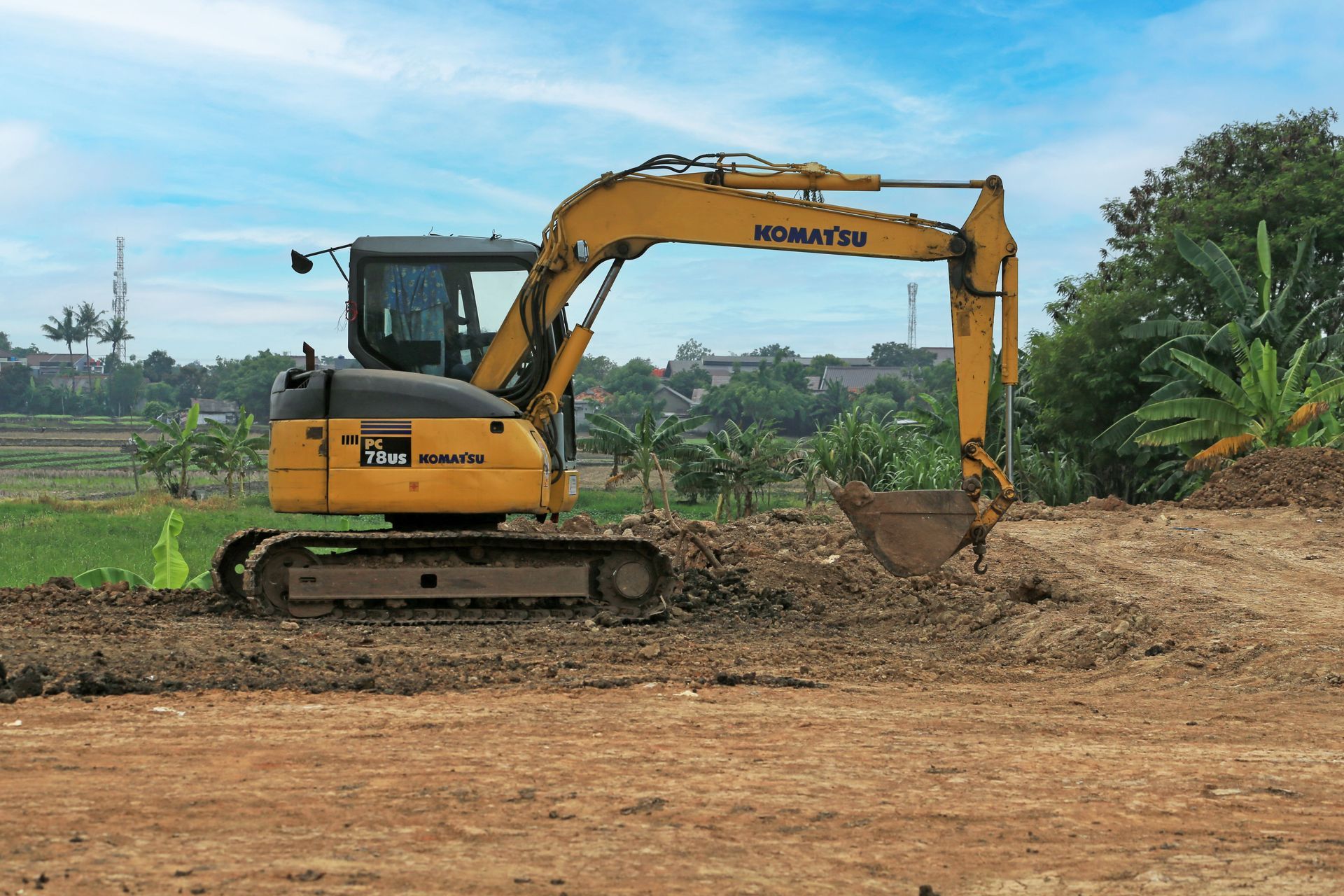
Rolling terrain across Middle Tennessee means most property improvements start with moving dirt to create level building pads, functional driveway grades, or drainage pathways that direct water away from structures. Excavation services from Handy Land Worx remove or redistribute soil in controlled amounts, preparing rural parcels for projects that require stable, properly contoured ground. You notice the difference when previously unusable slopes become accessible homesites, low-lying areas are filled to prevent seasonal flooding, or rough acreage transitions into graded surfaces ready for gravel or construction.
The work involves evaluating existing contours, determining how much material needs to move, and operating equipment that cuts, loads, or spreads soil to match the finished grade your project requires. Excavation connects naturally with land clearing, driveway installation, and preparation for any improvement that can't proceed until the ground reaches a specific elevation or slope. Experienced operators recognize when subsurface rock, clay layers, or groundwater seepage will affect how soil behaves after it's moved.
Request a free project estimate to evaluate your property and discuss grading requirements.
How Excavation Addresses Ground Preparation Needs
Controlled soil removal begins with identifying where existing grade needs to drop, rise, or flatten, then calculating the volume of dirt involved and whether material will be redistributed on-site or hauled away. Equipment selection depends on soil type, access constraints, and how much precision the project demands. Clay-heavy soil common in the region compacts differently than topsoil or fill material, affecting how the finished surface drains and settles over time.
Once excavation is complete, you see ground shaped to specific elevations, drainage slopes that direct runoff predictably, and surfaces firm enough to support the next phase of your project. Previously uneven acreage becomes building pads level enough for foundation work, approach angles steep enough to cause equipment struggle are regraded to functional slopes, and areas where water pooled are reshaped to encourage flow toward ditches or natural drainage channels.
This family-operated company approaches excavation with construction experience that recognizes how current dirt work affects long-term property function. The service includes operator skill, insured equipment operation, and site evaluation that identifies subsurface conditions before moving soil. Excavation doesn't include utility location or permitting coordination, which remain the property owner's responsibility where applicable.
Common Questions About This Service
Property owners preparing rural parcels for development or improvement often ask about how excavation projects are planned and what site conditions matter most.
What site information helps determine how much excavation a project requires?
Current elevations, desired finished grade, soil composition, drainage direction, and whether material will stay on-site or need hauling all factor into estimating how much dirt must move and what equipment the job demands.
How does soil type across Middle Tennessee affect excavation and grading outcomes?
Clay-heavy soil compacts well but drains slowly, rocky subsurface layers require different equipment or approaches, and topsoil removed during excavation often needs separate handling if you plan to redistribute it for finish grading or planting areas.
When is the best time to schedule excavation to avoid weather-related delays?
Dry periods reduce the chance of equipment getting stuck in saturated soil, while frozen ground can prevent proper grading, making late spring through early fall generally more predictable for scheduling dirt work in Gainesboro and surrounding areas.
What preparation steps improve excavation efficiency and project outcomes?
Clearing vegetation, marking underground utilities, identifying property boundaries, and deciding where excess soil will go all prevent mid-project delays and ensure the finished grade matches what your next improvement phase requires.
How does excavation differ from grading, and when do projects require both?
Excavation focuses on significant soil removal or relocation, often creating new contours or lowering elevations, while grading fine-tunes surface slopes and drainage, with many projects requiring excavation first to establish rough shape before grading finalizes the surface.
Handy Land Worx provides insured excavation services backed by construction experience and equipment operation suited to rural property conditions. Contact the company directly to discuss your project and receive a free estimate based on your site specifics.