Surfaces Prepared for Functional Use
Grading and Leveling in Gainesboro for uneven ground needing improved contours
Handy Land Worx provides grading and leveling services across Middle Tennessee for properties where existing terrain prevents construction, creates drainage problems, or limits how cleared acreage can be used. The work reshapes uneven ground into controlled slopes and level surfaces, preparing homesites, driveway approaches, and building pads that meet the elevation and drainage requirements your project demands. Property owners see previously unusable slopes transformed into stable building areas, rough-cleared land smoothed into maintainable surfaces, and water redirected away from structures instead of pooling against foundations or washing out access roads.
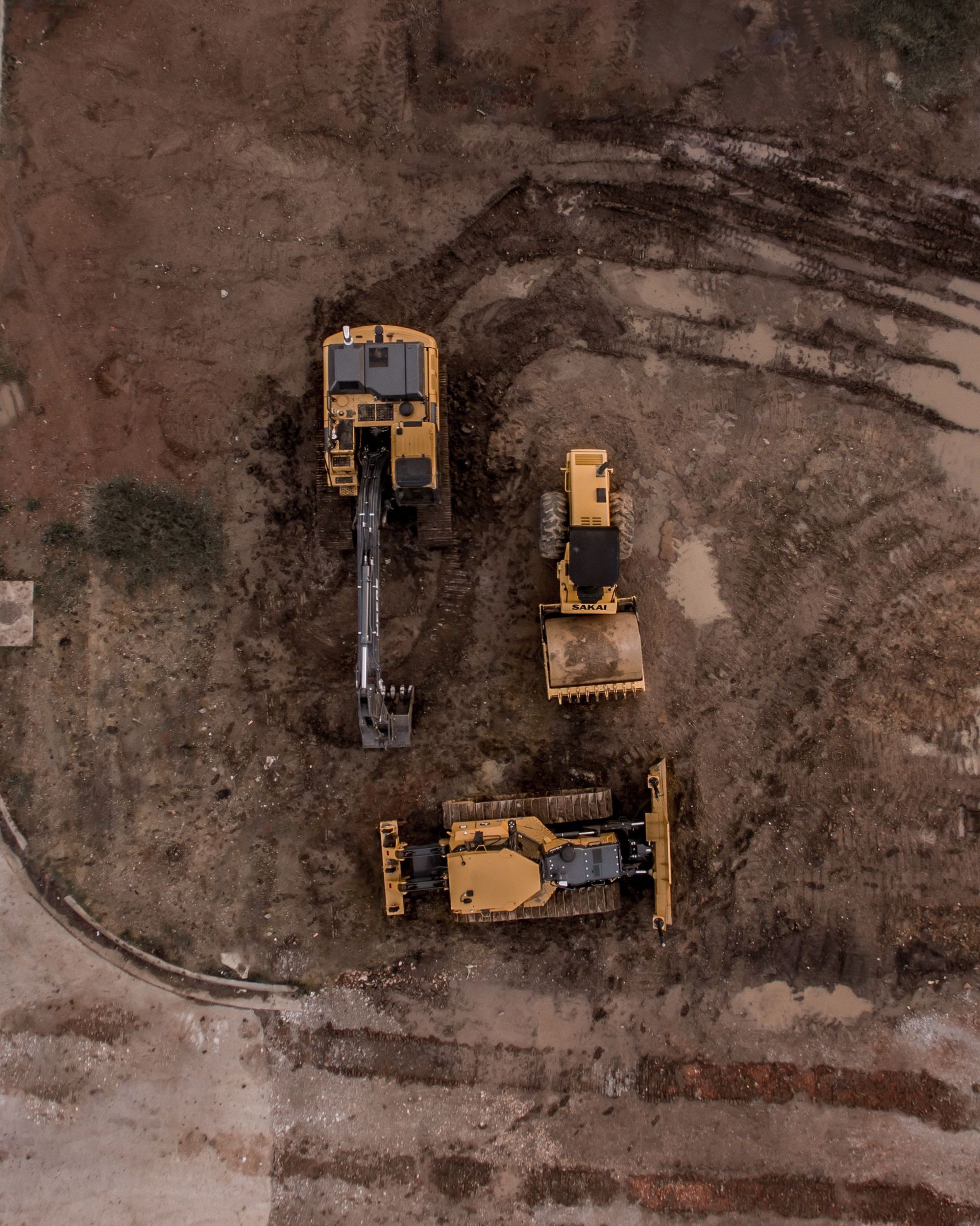
Grading adjusts soil elevation and contour using equipment that cuts high spots, fills depressions, and compacts material to create surfaces that drain predictably and support intended use. The process involves reading existing grade, calculating required slope angles for drainage, and redistributing soil to match the design elevation. Varied terrain common around Gainesboro means most rural parcels need some degree of reshaping before driveways maintain traction year-round, building pads stay dry during heavy rain, or cleared fields become usable for equipment operation without rutting.
Request a free estimate to evaluate your property's grading needs and discuss site-specific requirements.
What Changes After Grading Completes
Experienced equipment operation determines whether finished grades hold their shape through weather cycles or develop low spots and erosion channels within months. Box blades, graders, and tracked equipment compact soil while shaping it, but different soil types respond differently to compaction pressure. Clay-heavy soil common in the region holds form well but can become impermeable if overworked, while sandy or loamy material drains better but requires careful compaction to prevent settling under load.
After leveling, you notice water flowing toward planned drainage paths instead of pooling randomly, equipment crossing the area without sinking or bouncing over bumps, and surfaces firm enough for gravel placement or concrete forming. Driveways graded to proper slope shed water toward ditches rather than washing out during storms, building pads sit high enough to prevent groundwater seepage, and fields leveled for agricultural use allow machinery to operate without constant maneuvering around uneven ground.
This family-operated company approaches grading with construction experience that recognizes how soil movement today affects drainage, stability, and usability years from now. The service includes site evaluation, equipment operation, and finish grading to specified contours. Grading does not include soil importation, erosion control measures, or permitting coordination, which may be necessary depending on project scope and local requirements.
What Property Owners Usually Ask
Rural property owners preparing land for improvement or addressing drainage issues often have questions about what grading involves and how site conditions influence the work.
What site factors determine whether grading can use existing soil or requires imported fill?
Soil volume, current elevations, desired finished grade, and whether you're raising, lowering, or simply smoothing the surface all affect whether material on-site is sufficient or additional fill must be brought in to reach target elevations.
How do Middle Tennessee soil conditions affect grading outcomes and long-term surface stability?
Clay content, rock presence, and organic material concentration influence how soil compacts, drains, and settles, with proper moisture levels during grading critical to achieving compaction that holds shape rather than developing ruts or washouts after rain.
When is the best time to schedule grading to avoid weather-related complications?
Moderate soil moisture allows compaction without mud or dust issues, making late spring and early fall generally favorable, while saturated ground or drought-hardened soil both complicate achieving proper grades in Gainesboro and surrounding areas.
What preparation improves grading efficiency and ensures the finished surface meets project needs?
Clearing vegetation, marking elevations or slope directions, identifying underground utilities, and deciding drainage outlet locations all prevent delays and ensure grading work aligns with what subsequent construction or use phases require.
How does grading differ from excavation, and when do projects need both services?
Excavation involves significant soil removal or relocation to change basic contours, while grading fine-tunes surface slopes and elevations, with most projects requiring excavation first if major elevation changes are needed, followed by grading to achieve final drainage and smoothness.
Handy Land Worx offers insured grading and leveling backed by construction experience and equipment suited to rural property challenges. Reach out directly to discuss your site conditions and receive a free estimate for your grading project.